Exhibition: Hot Girls of the Third World
Artist: Zyanya Arellano
Curatorship: Roselin Rodríguez Espinosa
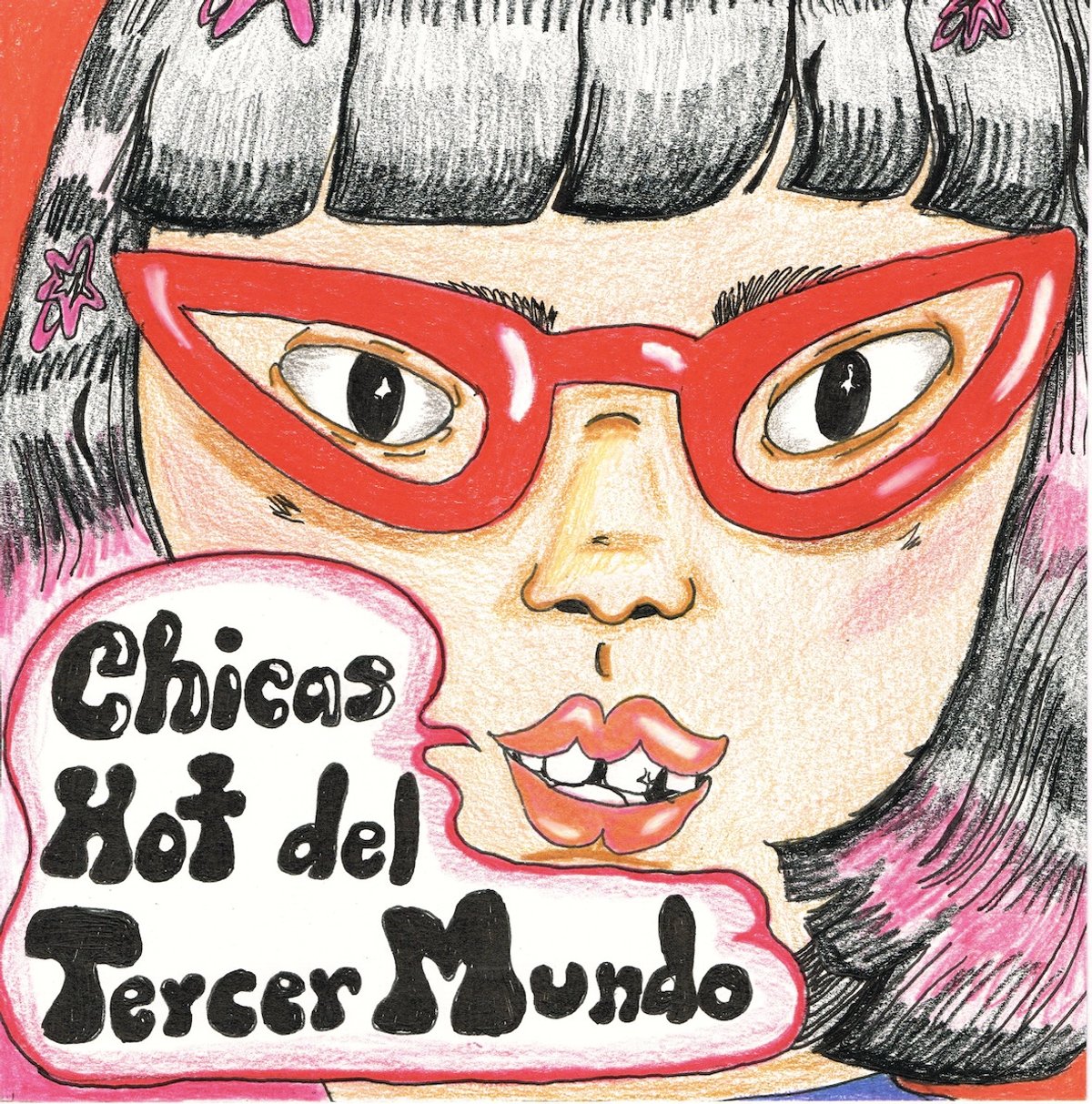
From inside an independent space in the city, an exhibition in a gallery, a party, or a bedroom, two girls talk and ask each other questions about how to survive as women artists in the current context. With humor and nonchalance, a series of drawings combining the language of comics and memes reveal scenes of everyday situations the artist has experienced, which contain broader reflections on economic precarity, existential uncertainties, and the class and gender inequalities in the art world. All this from a feminist perspective that is self-critically tested in the day-to-day practice of living.
Through these themes, what Zyanya has defined with her drawings as “hot girls of the third world” has emerged. The title began circulating a couple of years ago on Instagram in the form of colored pencil drawings that were later digitized for their online life. On the web, her biting memetic language raised some questions: what does "hot girls" mean? Why of the third world?
In this series, “hot girls,” a term recently popular online linked with a hegemonic physical appearance and a certain "attitude," shifts its meaning to propose other desirable feminine qualities for living in harmony: feeling good about oneself, enjoying one's body, supporting other women, collecting artwork from friends, and talking—talking a lot. On the other hand, the anachronism of the “third world” is reclaimed as a playful and affirmative evocation of a utopian regional imaginary that fuels the artist's fiction. The bundle of topics, ideas, unusual ambiguities “based on real events,” open secrets, jokes, and suspicions that can be derived from these drawings speaks with complicit intimacy about our current interactions more than any improbable treatise on the sociology of art.
Roselin Rodríguez Espinosa